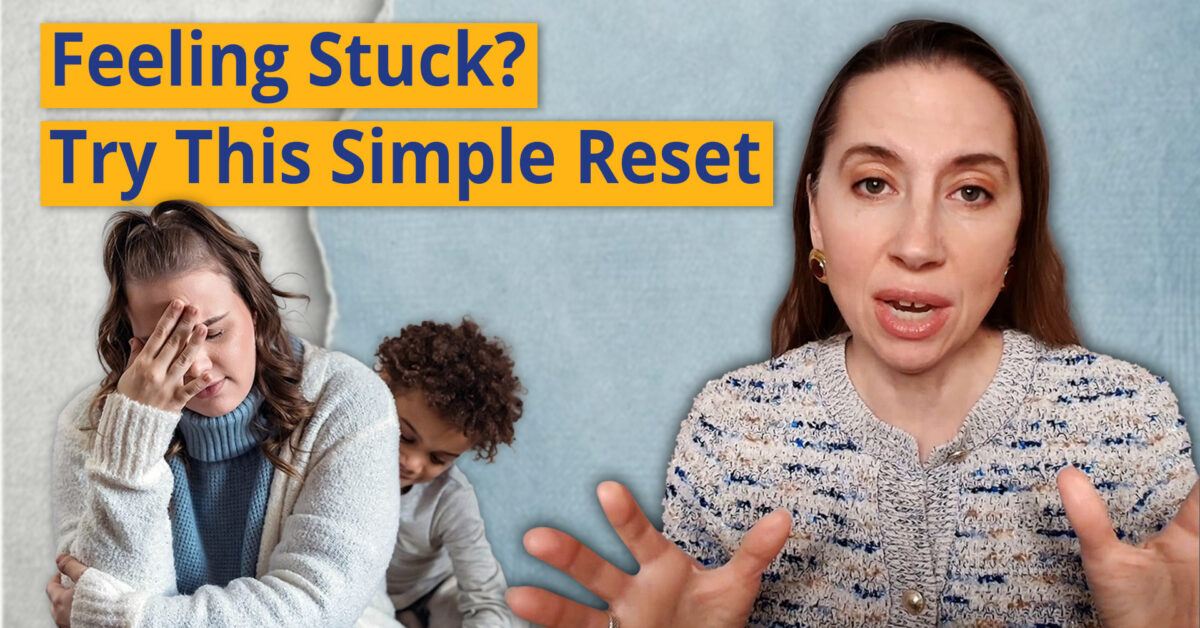
There’s a type of autism advice I hear all the time, and it sounds kind, it sounds supportive, and it’s usually given with good intentions. But over time, I’ve noticed something troubling. Some of this advice doesn’t actually help families move forward.
In fact, it often leaves parents feeling more overwhelmed, more dependent, and less confident in their own judgment. And the hardest part is this. If you question it, it can feel like you’re being difficult, or ungrateful, or like you’re not doing enough.
The Pattern Many Parents Recognize
So I want to talk about this carefully, not to criticize people who are trying to help, but to name a pattern that quietly causes harm, and to offer a different way of thinking that gives parents back clarity.
The Comforting Advice We Hear All the Time
You’ll recognize this immediately. An autism parent shares something they’re struggling with, and the response sounds like this.
“You’re doing everything you can.”
“Trust the professionals.”
“Just take it one day at a time.”
“You know what? Try not to overthink it.”
When Reassurance Becomes Limiting
On the surface, this sounds comforting, and in the moments of acute stress, it actually can be. But over time, I see a different effect.
Parents start to second-guess their instincts. They stop asking deeper questions. They feel guilty for wanting to understand the why, and gradually, responsibility shifts. Not in an obvious way, but in a subtle way. Instead of being an active decision-maker, the parent becomes a passive recipient of plans, recommendations, and next steps.
Why Progress Begins to Slow Down
Here is where things start to stall. Because autism is not something you can outsource understanding, even when you have a great team. And this advice usually comes from a good place. People want to reduce your stress. They want to protect you from information overload. They want you to rest, and rest does matter. But there’s a difference between reducing overwhelm and reducing your own agency. And too often, these two get confused.
Helpful Advice Can Still Be Incomplete
What’s important to say here is this. That advice isn’t wrong. It’s incomplete. There are moments when you shouldn’t analyze. When you need to rest. When your job is simply to get through the day.
There are professionals who bring real expertise, real skill, real care to families. This is not about rejecting support. It’s about noticing when support quietly turns into silencing.
When Curiosity Starts Feeling Unsafe
When you don’t overthink, it becomes the default response, and curiosity starts to feel like a problem. And now questions start to feel like resistance. And parents learn to doubt the very instincts that made them effective advocates in the first place. Now, that’s not what anyone intends purposely. But intention doesn’t erase the actual impact.
The Hidden Cost of Losing Trust in Yourself
Parents become hesitant to trust themselves. They wait for permission. They defer decisions they’re actually capable of making, and over time, that creates a strange tension. You’re deeply involved in your child’s life. But disconnected from your own confidence.
Support and Self-Trust Can Coexist
Support and authority are not opposites. You don’t have to choose between being supported and being deeply involved in decisions. The healthiest families I see do both. They accept help, and they stay oriented. They listen to professionals. And they keep their own internal compass active.
That looks like asking questions without apologizing, but asking nicely. It looks like saying, I need to understand this before I can move forward, without feeling like you’re being difficult. It looks like the rest that’s intentional, not avoidance.
Collaboration Works Better When Parents Stay Connected
Something interesting happens when parents stay engaged this way. Professionals actually work better with them. Plans get clearer.
Goals get more realistic. Interventions become easier to evaluate because autism care isn’t a handoff. It’s a collaboration, and collaboration only works when both sides are thinking. This isn’t about parents doing everything alone.
It’s about staying connected to the why behind what you’re doing. Because when you understand the reasoning, you’re not easily shaken by the next opinion, the post, or trend on social media. You can take in this new information without losing your footing or confidence and that’s not exhausting. That is stabilizing.
Staying Connected to Your Own Understanding
You don’t need to know everything. You don’t need to do everything. But you do need to stay connected to your own understanding. Support should help you feel steadier, not smaller, and if advice leaves you quieter, less curious, or less confident over time, that’s information your body is telling you it’s worth paying attention to. Because it’s not advice that is really helping you in the long run. Because the goal isn’t to hand your authority away. It’s to build a system of care where your clarity is part of what keeps things moving forward.
Confused by all the information about autism? I’ve got you.Click the link to see how we can work together. Let me break down the science and provide you with clear, actionable steps to make your path forward easier