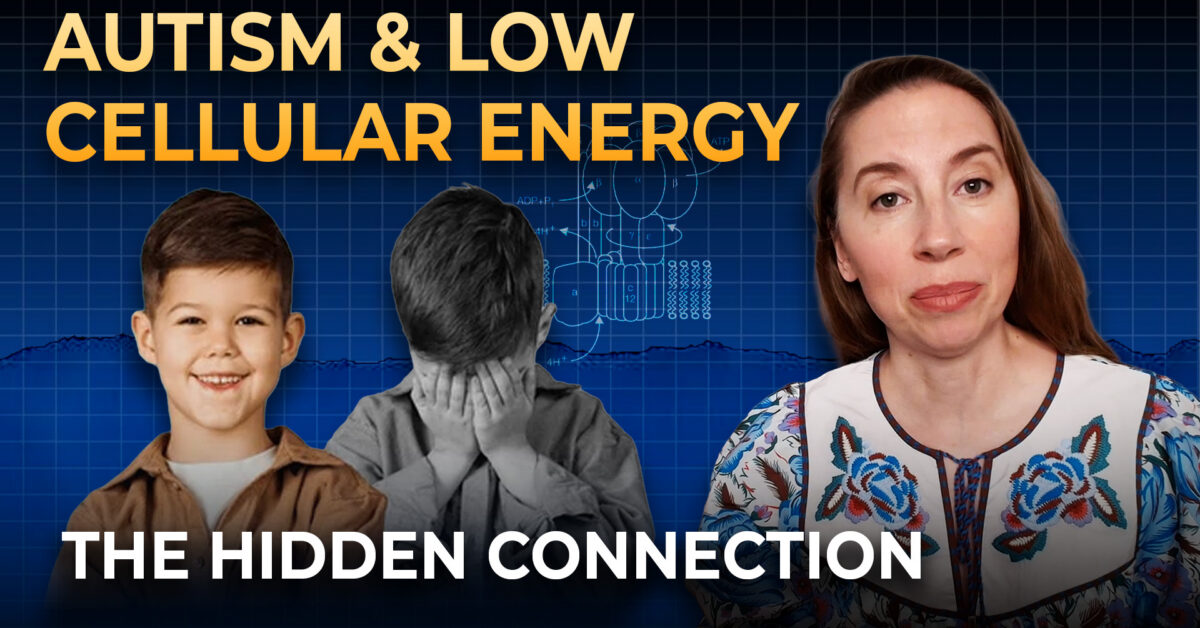
Autism might not start in the brain. It might actually start with energy. Every cell in your child’s body needs energy to work.
The Role of Mitochondria
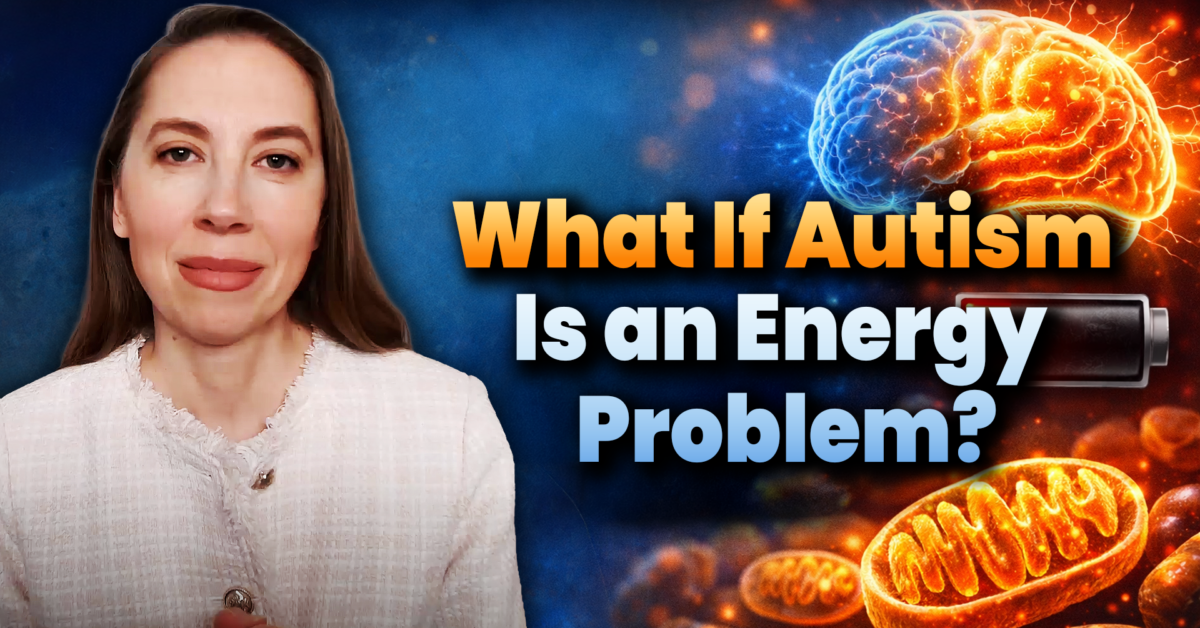
Energy is made by tiny structures called mitochondria. Think of them like mini power plants. Inside every cell, they make something called ATP, which is basically your body’s energy currency. Now here’s why this matters. The brain uses a huge amount of energy.
When Energy Production Struggles
If mitochondria aren’t working well, the brain struggles too. And that can show up as fatigue. Learning challenges and behavioral differences. And this is something most parents are never told. What if autism symptoms are partly an energy problem?
A Deeper Look Into Mitochondrial Inheritance
Inheritance from Your Mother
Let’s go deeper. You inherited something important, but only from your mom. We usually think we get our DNA from both parents. That is true. But mitochondria are different.
You get all of your mitochondrial DNA from your mom. And here’s the surprising part. Each cell doesn’t just have one mitochondrion; it has many. And they’re not all the same. Some can be healthy, some can have problems.
Variation Within Cells
So your child might have a mix. Whether symptoms show up or not depends on how many mitochondria are working well. In some cases, this is one reason why two kids in the same family can be completely different. This is the part no one explains. Even doctors.
Understanding the Threshold Effect
Imagine your child’s cells are like a team. Some mitochondria are doing their job. They are working. Some are struggling. If enough are working, things look great, and your child is healthy.
But if too many aren’t, the system starts to break down. Scientists call this a threshold effect. If about half the mitochondria are not working well, symptoms can appear. That’s why one sibling can be fine, and another can struggle. Same family, different outcome.
Supporting Mitochondrial Function
So the question becomes, how can we support the mitochondria that are struggling? The brain is the most energy-hungry organ in the entire body. Your brain uses more energy than almost anything else. So when mitochondria don’t work well, the brain feels it first. That’s why mitochondrial problems can show up as developmental delays, speech challenges, and cognitive differences.
Even muscles can be affected because they also need a lot of energy. So this isn’t just brain-based, it’s whole body energy. In autism, what if we stopped looking only at behavior and started looking at energy?
The Origin of Mitochondria
Your child’s energy system used to be a completely different organism. Billions of years ago, a tiny cell that was really good at making energy got swallowed up by another cell.
But instead of being destroyed, these two cells started working together. That tiny cell became the mitochondria. It still has its own DNA. It still acts on little independently, and it still powers almost everything in our bodies. And when that system struggles, everything built on top of that can struggle, too.
Rethinking Autism
What if autism isn’t just behavior, but metabolic? If mitochondria control energy, and energy controls how the brain works, then autism might not just be about the brain. It might also be about how energy is made, how cells function, and how the body supports the brain.
A New Question for Parents
This changes how we think about autism. Instead of asking, what’s wrong with my child?We start asking, what does my child’s body need more of?This is exactly what I teach parents. How to figure out what matters most for your child.
Confused by all the information about autism? I’ve got you. Click the link to see how we can work together. Let me break down the science and provide you with clear, actionable steps to make your path forward easier